
 Contact
 Account
Best Way to Seal a Log Cabin Exterior: Low Odor, Lasting Protection
Key Takeaways
Sealing a log cabin exterior is essential for its longevity and beauty. It protects against harsh weather, pests, and decay. Choosing the right log cabin sealer can make a significant difference in the cabin’s maintenance and appearance. A good wood sealer should offer UV protection, water resistance, and be breathable. Low odor options are ideal for a pleasant application experience. Regular maintenance and inspection are crucial for preserving the cabin’s charm and structural integrity. Shingle oil is a popular choice for its protective and aesthetic benefits. It enhances the natural beauty of the wood while providing lasting protection. Understanding how to seal a log cabin properly can save time and money in the long run.
This guide will explore the best methods and products for sealing your log cabin exterior. Whether you’re a DIY enthusiast or a seasoned cabin owner, you’ll find valuable tips for maintaining your wooden haven.
Introduction
Owning a log cabin brings both joy and responsibility. The aesthetic appeal of a log home is undeniable, yet maintenance can be challenging. Sealing plays a crucial role in protecting the log surfaces from various environmental challenges. The frequency of sealing depends on several factors, such as the climate and the sealer used.
Here are key aspects to consider:
- UV protection extends the lifespan of logs.
- Water resistance prevents mold and mildew growth.
- Breathability ensures the wood doesn’t trap moisture.
By focusing on these factors, you can enjoy your cabin’s rustic charm with less worry about damage. Taking the right steps in log cabin care can significantly enhance the longevity and beauty of your wooden retreat.
Types of Log Cabin Sealers
When it comes to log cabin sealers, options abound. Each type serves a specific purpose and has its unique advantages. Choosing the best log cabin sealer depends on your cabin’s needs and environmental conditions.
Natural oil-based sealers are popular for their ability to penetrate wood deeply. These sealers protect the logs from within, offering excellent water resistance and UV protection. They also enhance the natural beauty of the wood grain, providing a warm, inviting appearance.
Water-based sealers, on the other hand, are favored for their low odor and quick drying times. They are environmentally friendly and safe for surrounding vegetation. These sealers form a protective layer on the surface, preventing moisture infiltration and reducing the risk of rot and insect damage.
Key sealer types include:
- Oil-based sealers: Deep penetration and natural enhancement.
- Water-based sealers: Low odor and eco-friendly.
- Hybrid sealers: Combine benefits of both types for versatile protection.
Each has its benefits and challenges, so consider your specific needs when selecting a log cabin wood sealer. Proper research and understanding will ensure your cabin remains well-protected and visually appealing for years to come. When it comes to log cabin sealers, options abound. Each type serves a specific purpose and has its unique advantages. Choosing the best log cabin sealer depends on your cabin’s needs and environmental conditions.
Key Factors in Choosing the Best Log Cabin Sealer
Selecting the best log cabin sealer is vital for protecting your investment. Several factors will influence your decision. Each plays a role in ensuring your cabin remains beautiful and robust. First, consider the climate where your cabin is located. If your area experiences harsh weather, choose a sealer with excellent UV and water resistance. This feature helps prevent damage from sun exposure and heavy rain. Next, assess the wood type of your log cabin. Some woods may need specific sealers to adhere properly and provide optimal protection. It’s crucial to choose a sealer compatible with your cabin’s wood to ensure lasting results.
Additional considerations include:
- Application ease: Can you apply it yourself?
- Odor level: Is a low odor preferred?
- Environmental impact: Is it eco-friendly?
- Aesthetic goals: Do you desire a gloss or matte finish?
By weighing these factors, you can make an informed choice. This ensures your log cabin remains a cherished sanctuary for years to come.
Why You Should Choose Shingle Oil as Your Log Cabin Sealer
Shingle oil offers unique benefits for sealing log cabin exteriors. It’s known for enhancing wood grain and providing additional protection. This makes it a popular wood sealant choice among cabin owners.
Shingle oil combines the benefits of deep penetration of oil-based sealers with low odor to get the best of both worlds.
The benefits of shingle oil are numerous:
- Enhanced appearance: It brings out the natural color and grain of wood.
- Long-lasting protection: It creates a durable, UV-resistant and water-resistant barrier.
- Low odor: Shingle oil is a low odor option, making staying in your cabin during sealing more pleasant.
- Penetrative capabilities: This mineral-based oil penetrates deeply, ensuring thorough coverage.
- Easy application: Can be applied by a DIYer or a contractor.
- Pet safe: Shingle oil is safe around pets once fully dried.
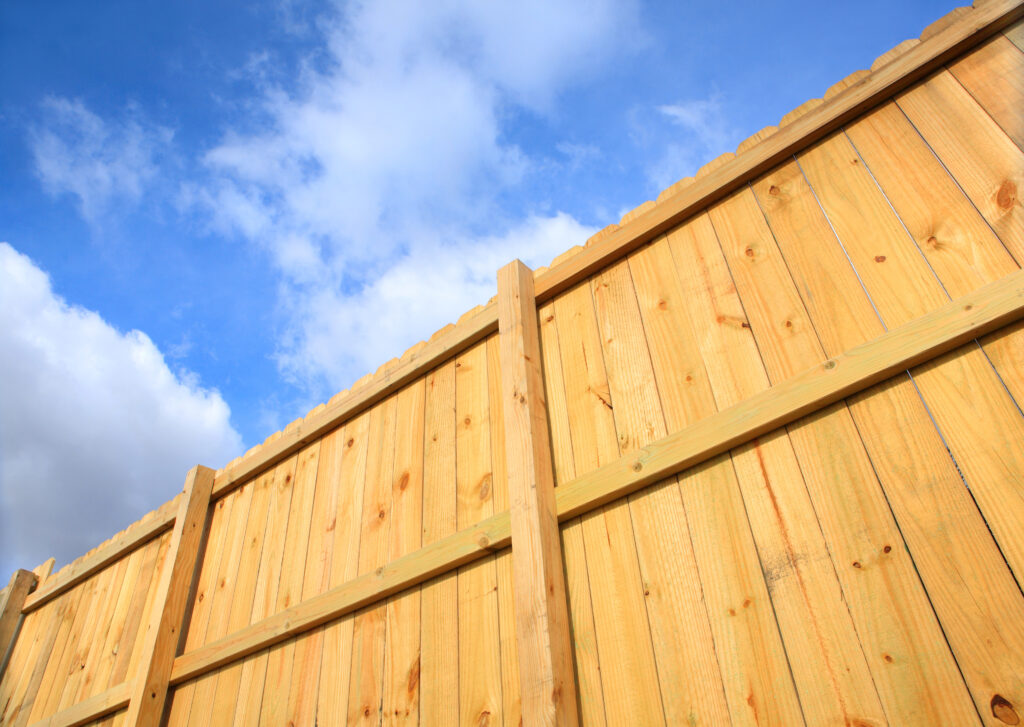
- Multi-purpose use: It can be used for a variety of other projects, such as sealing wooden decks, fences, barns, and interior projects.
- Easy clean-up: Wash brushes, rollers, and sprayers with dish soap and warm water.
- Cost effective: Shingle oil is available at reasonable prices year-round.
Many cabin owners appreciate its dual role as a protective sealant and an aesthetic enhancer. By using shingle oil, you ensure your log cabin not only withstands the elements but also looks its best all year round.
How to Seal a Log Cabin Exterior
Sealing your log cabin exterior is a vital step in ensuring its longevity and aesthetic appeal. Proper preparation is the key to effective sealing. Begin by cleaning the logs thoroughly, removing dirt, mildew, and any previous sealant residues.
Once the surface is clean, inspect the logs for any cracks or damage. Address these issues before applying a new sealer. This is a crucial step to ensure the sealer adheres properly and no moisture seeps in through unnoticed gaps. Choose a suitable application method based on your selected sealer. Options include brushing, rolling, or spraying. Follow the manufacturer’s instructions for the best results, and ensure even coverage across the entire surface. Consistency is vital to guarantee full protection.
Consider doing this process during dry weather conditions to allow the sealer to cure correctly.
For optimal results, check the following steps:
- Clean thoroughly and let it dry completely.
- Inspect and repair any visible damage.
- Apply sealer using the recommended method.
- Allow adequate drying time for the sealer.
Finally, remember to check the cabin exterior every few years for signs of wear and consider resealing as necessary. Regular maintenance and sealing can significantly extend the cabin’s lifespan, preserving its charm and functionality.
Log Cabin Maintenance and Preservation
Regular maintenance is essential for the longevity of a log cabin. It requires continuous attention to small details that can prevent larger issues. Routine inspections ensure any emerging problems are caught early.
Focus on checking for cracks, water damage, and signs of pest infestations. Address these quickly to maintain the integrity of the logs and the efficiency of the sealant. Regular cleaning helps to prevent mold and mildew buildup, which can deteriorate the logs over time.
Below are some tips to help preserve your log cabin:
- Conduct annual inspections for damage.
- Address repairs promptly to prevent further deterioration.
- Clean surfaces regularly to remove dirt and grime.
- Consider resealing every 2-4 years.
By incorporating these maintenance practices into your routine, you can significantly enhance the cabin’s lifespan and retain its rustic beauty. Proper preservation not only maintains the structural integrity but also keeps the cabin looking appealing and inviting.
Conclusion
Sealing your log cabin is a vital step in ensuring its protection and longevity. Choosing the right sealer, such as shingle oil, and following proper application techniques makes a substantial difference. Regular maintenance and timely inspections prevent costly repairs and maintain the cabin’s appeal.
By investing time and effort into sealing and caring for your log cabin, you secure a beautiful, durable home. Your cabin will not only withstand the elements but also retain its charm for years to come. Embrace these practices to enjoy your rustic haven with peace of mind.