
 Contact
 Account
How To Seal A Cedar Fence And Keep It From Turning Gray
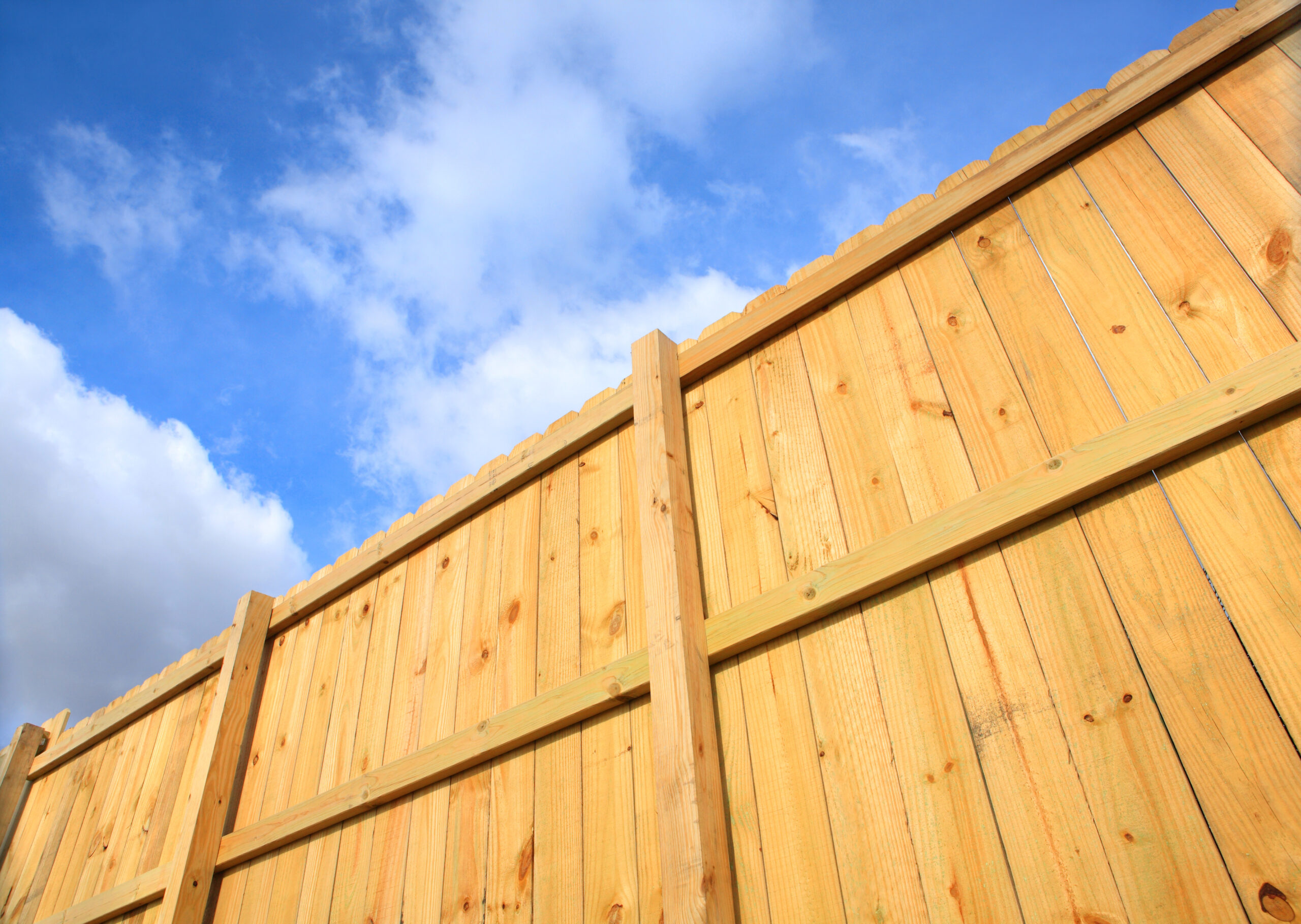
Cedar fences are a beautiful addition to any yard. They offer a natural, rustic charm that enhances curb appeal. However, without proper care, cedar fences can turn gray over time. This gray is due to exposure to sunlight and weather conditions. The sun’s UV rays break down wood fibers, causing the color to fade. Rain and moisture also contribute to this process. Sealing your cedar fence is the best way to maintain its natural color. It protects wood from the elements and extends its lifespan.
Cedar Shingle Oil is the best way to maintain its natural color. It protects wood from the elements and extends its lifespan. Cedar Shingle Oil is a popular choice amongst homeowners and contractors.
Shingle oil penetrates deeply, providing excellent protection. It enhances the wood’s natural grain and color. Regular maintenance, including cleaning and sealing, is essential. Outdoor wood sealing prevents rot, warping, and other damage. It also helps keep your fence looking new. In this guide, we’ll explore how to seal a cedar fence effectively.
Why Do Cedar Fences Turn Gray?
Cedar fences naturally lose their rich color over time. This transformation results from a mix of natural elements. UV rays from the sun are the primary culprits. Sunlight breaks down the wood’s surface fibers, causing discoloration. This process is known as photodegradation. As the fibers degrade, the vibrant tones fade away.
Moisture also plays a critical role. Rain and humidity contribute to the graying effect. They allow mildew and mold to grow, further altering the wood’s appearance.
Other environmental factors can hasten the process:
- Pollution deposits
- Salt spray in coastal areas
- Dust and dirt accumulation
- Intense heat or intense cold
Without proper protection, these elements wear down cedar. Sealing your fence safeguards it from these issues. You can preserve its natural beauty with the right treatment. Keeping a cedar fence looking its best requires regular care.
Benefits of Sealing a Cedar Fence
Sealing a cedar fence offers many advantages. The primary benefit is the preservation of the wood’s natural color. Sealing prevents the fence from turning gray by shielding it from harmful UV rays. Aside from maintaining color, sealants extend a fence’s lifespan. Cedar wood is resilient, but still vulnerable to environmental wear. A good sealant protects against moisture, reducing the risk of rot and decay.
A sealed fence also maintains its structural integrity. By minimizing swelling and warping, the wood stays strong. This protection reduces maintenance costs and adds years to your fence’s life.
Additional benefits include:
- Enhanced curb appeal
- Increased resistance to cracking
- Protection against mold and mildew
- Natural beauty enhancement
Furthermore, sealing helps the wood resist stains and dirt. It makes cleaning easier and less frequent. Investing in a proper sealant is a wise choice for any homeowner. It ensures your cedar fence remains a stunning feature in your outdoor space.
Understanding Cedar Wood Treatment Options
Cedar wood treatment options offer different protection levels and aesthetics. The right choice depends on your fence’s needs and your preferences. Each treatment has unique benefits worth exploring. Oils, such as cedar shingle oil, penetrate deep into the wood. They nourish and enhance the natural grain. These oils provide excellent moisture resistance, which reduces swelling and warping risks.
Shingle oil is a wood sealant. Wood sealants, often clear or lightly tinted, protect the wood surface. They create a barrier against environmental elements, such as rain and sunlight. Sealants are ideal for those who prefer the natural look of cedar and can be used on a variety of different projects.
Stains are another option for sealing cedar fences. Stains are typically surface-level and do not penetrate into the wood grain. They also add color, often in various hues, to change the natural cedar tone of cedar wood. Stains are great if you want to customize your fence’s appearance, but be sure they also offer UV protection and waterproofing. Be careful if you plan on using another product after staining. Once a stain is applied, a film develops to protect the wood on the surface. You may need to sand off stain if you plan to apply any other products, especially ones meant to penetrate into the wood.
Choosing the best treatment involves considering your aesthetic goals and maintenance commitment. Some treatments need frequent reapplication for optimal performance. Weigh the pros and cons to ensure your cedar fence remains robust and beautiful.
What is Cedar Shingle Oil and Why Use It?
Cedar shingle oil is a natural product used to protect and maintain cedar wood. It penetrates deeply, preserving the wood from within. This oil enhances the wood’s natural color and grain, providing a pleasing finish.
One primary advantage is its ability to repel moisture. By doing so, it prevents common problems like swelling, warping, and cracking. Cedar shingle oil also offers UV protection, reducing the risk of the fence turning gray.
Users favor this oil because it nourishes the wood, preventing it from drying out. This nourishment adds to the longevity of the cedar, making it a sound investment. Moreover, its application is straightforward, with impressive results.

Why choose cedar shingle oil:
- Deep penetration for protection
- Water-repellent properties
- UV protection for color preservation
- Easy application process
Incorporating this oil into your cedar fence maintenance helps preserve its natural beauty. It’s an effective means of extending the life of your outdoor structures. Regular use will ensure your fence remains vibrant and sturdy.
Choosing the Right Sealant for Your Cedar Fence
Selecting the perfect sealant ensures your cedar fence remains beautiful and protected. There are numerous options available, each offering different benefits. It’s crucial to choose one specifically designed for cedar wood.
Consider your desired finish when selecting a sealant. Some provide a natural look, while others add a tint or color. The choice depends on personal preference and the desired aesthetic for your outdoor space.
Evaluate whether you want an oil-based or water-based sealant. Oil-based sealants typically penetrate better and last longer. In contrast, water-based options are eco-friendly and easier to clean up.
Key factors to consider when choosing a sealant:
- Penetration ability
- Environmental impact
- Desired finish
- Longevity
Remember that using the right sealant not only preserves the wood’s appearance, but also enhances its durability. Proper application and maintenance are vital in maximizing the sealant’s efficacy and longevity.
When Is the Best Time to Seal a Cedar Fence?
Timing your sealing project is crucial for effective results. Ideally, choose a period of consistent dry weather. This ensures the sealant dries and cures properly.
Avoid sealing during cold or rainy conditions. Moisture can disrupt the drying process and lead to uneven coverage. Additionally, extreme temperatures might hinder the sealant’s cure time.
Consider these factors when planning your project:
- No rain forecast for 24-48 hours
- Temperatures between 50°F to 90°F
- Relatively low humidity levels (If you’re in a humid or tropical climate, humidity is inevitable. Just try your best to avoid rain.)
Selecting the right time not only enhances the effectiveness of the sealant but also ensures a smooth application process. Proper timing contributes significantly to maintaining your cedar fence’s beauty and longevity.
Preparing Your Cedar Fence for Sealing
Before sealing, proper preparation of your cedar fence is essential. For a visual demonstration, be sure to view our full video tutorial on YouTube.
Begin by cleaning the surface thoroughly. Dirt, mildew, and old finishes must be removed to ensure the sealant absorbs effectively.
While not required, it is recommended to rinse the surface to ensure it is properly cleaned. Allow to dry fully before applying Shingle Oil. A power washer can be a valuable tool in this process. It efficiently cleans the wood and removes any stubborn grime. Be sure to use it with caution to prevent damaging the wood’s surface.
Once the fence is clean, allow it to dry completely. Moisture left in the wood can interfere with the sealing process. Expect drying to take at least 24-48 hours in good weather conditions.
Consider inspecting the fence for any repairs needed before sealing. Look for loose boards or nails that need attention. Addressing these minor issues enhances the fence’s overall look and durability.
Here’s a quick checklist for preparation:
- Clean the fence thoroughly
- Use a power washer if necessary
- Let the wood dry completely
- Inspect for repairs
- Sand rough spots if needed
Taking these steps ensures your cedar fence is ready for sealing, maximizing protection and longevity.
Step-by-Step Guide: Sealing a Cedar Fence with Shingle Oil
Sealing your cedar fence with shingle oil is a straightforward process. The right approach ensures long-lasting protection and enhances the fence’s appearance. Before application, try to avoid rain forecast for 24-48 hours. For best application, apply when outdoor temperatures are between 50°F to 90°F. Lower or higher temperatures can affect the viscosity of the oil and open/close the pores of the wood, which would affect application, absorption, and drying/curing.
First, gather your materials. You’ll need cedar shingle oil, a brush, roller, or sprayer, and safety gear like gloves and goggles. Note that Presidential Shingle Oil is non-toxic and can be washed off of clothing and tools with just dish soap and water. For large spills, we recommend using an absorbent towel or kitty litter for easier clean-up. It won’t damage plants in the event of minor spills and is safe around pets once it is fully dry.
Optional, but recommended: Apply shingle oil to a test segment and allow it to fully dry to ensure you like the appearance before committing to the entire project.
Begin by applying the shingle oil to a small section. Using a brush offers precision, especially in edges and corners. A sprayer can cover larger areas quickly.
Make sure each section is fully covered before moving on. Overlapping layers create a seamless finish and ensure maximum protection. Allow each coat to dry according to the manufacturer’s instructions.
It’s important not to rush this process. Although shingle oil penetrates deeply, it needs time to set properly. Curing times can vary based on temperature and humidity.
Remember, cedar absorbs oils differently, so adapt as needed. Older, aged wood is more porous and will absorb the oil quickly. You may need an additional coat to properly seal it.
Below are the steps to guide you through the sealing process:
- Gather materials and check weather conditions
- Optional, but recommended: Apply to a test section to ensure you are happy with the final look
- Apply shingle oil to a small section
- Use a brush for precision or a sprayer for larger areas
- Ensure complete coverage and overlap layers
- Allow to dry following instructions
- Apply multiple coats depending on wood absorption/age
- Presidential Shingle Oil will dry/cure fully in 24-48 hours.
Maintaining a steady pace ensures thoroughness. Monitor your progress to catch any missed spots. Note that shingle oil will not repair already damaged or splitting wood surfaces.
For a visual demonstration, be sure to view our full video tutorial on YouTube.
Safety Recommendations:
- Wear gloves and goggles
- Work in a well-ventilated area
- Protect nearby plants and objects from overspray
Following these steps will result in a beautifully sealed cedar fence that resists the gray patina many owners wish to avoid.
Tips for Outdoor Wood Sealing Success
Sealing a cedar fence successfully requires planning and attention to detail. Adopting the right techniques can extend the fence’s life and maintain its beauty.
First, choose a dry, calm day for the sealing process. Wind can cause overspray, and moisture can hinder the sealant’s effectiveness. Applying sealant during moderate temperatures ensures even drying.
Preparation of the surface is also key. Clean the fence thoroughly to remove dirt and mildew. Consider power washing for deep cleaning, and ensure the wood is completely dry before applying sealant.
Keep these tips in mind for better outcomes:
- Apply sealant in even layers
- Ensure complete coverage, including edges and corners
- Follow manufacturer’s drying time instructions
- Regularly inspect and perform touch-ups if needed
With these tips, your cedar fence will resist weathering and remain attractive for years.
Maintenance: How Often to Reseal and Inspect Your Fence
Maintaining a cedar fence involves regular inspection and resealing. A proactive approach ensures the wood stays in peak condition.
Typically, resealing is recommended every two to three years. This schedule can vary based on your local weather and the fence’s exposure to elements. Regular exposure to harsh conditions might require more frequent resealing.
Routine inspections are essential to catch issues early. Check for signs of wear like fading color or water absorption. If noticed, action should be taken immediately.
To keep your cedar fence in optimal condition, consider the following:
- Inspect for cracks and discoloration
- Touch up areas with thin sealant coverage
- Clean the fence twice a year to remove dirt and mildew
Staying attentive to your cedar fence’s needs will preserve its beauty and durability over time.
Common Mistakes to Avoid When Sealing Cedar Fences
Sealing a cedar fence requires careful attention to detail. Overlooking certain steps can jeopardize the results. A common mistake is not cleaning the fence thoroughly before sealing. Dirt and mildew can prevent sealant from absorbing properly.
Another issue is using the wrong type of sealant. Not all sealants suit cedar wood, so choose wisely. Over-application is also problematic, leading to uneven coatings and wasted product.
Here are key mistakes to avoid:
- Skipping thorough cleaning
- Applying sealant in wet conditions
- Choosing the wrong sealant for cedar
- Ignoring manufacturer’s instructions
By steering clear of these errors, you ensure your cedar fence remains both protective and visually appealing.
Frequently Asked Questions about Cedar Fence Sealing
How long does Presidential Oil Shingle Oil last?
When properly applied, Presidential Oil Shingle Oil typically lasts 2-3 years on exterior surfaces depending on exposure and weather conditions. High-traffic areas like decks may need reapplication every 2 years, while protected areas like siding can last 3+ years. Interior applications can last even longer.
Can I use this on previously stained or sealed wood?
If the wood has been treated with a sealant layer that would prevent Shingle Oil absorption, we recommend sanding for best results. If stained without any sealant layer, Shingle Oil can be applied onto the stain. Always test in a small area first to ensure compatibility.
How much coverage will I get per gallon?
One gallon covers approximately 150-300 square feet depending on wood porosity and application method. Rougher, more porous woods will absorb more product. Always purchase 10-15% extra to account for waste and varying absorption rates.
What’s the best temperature for application?
Apply when temperatures are between 50-90°F (10-32°C). Avoid application when rain is forecast during cure time (24-48 hours). Wood should be dry before application.
Is this safe for food-contact surfaces?
Once fully cured (48 hours), Presidential Oil Shingle Oil is safe for indirect food contact surfaces. However, we do not recommend it for cutting boards or other direct food-contact applications. Always follow local regulations for food-contact surfaces.
Can I tint Shingle Oil?
We have had some customers report success with tinting our Shingle Oil using various methods. However, we do not provide recommendations or guidelines for tinting at this time as we have not thoroughly tested tinting methods.
Is Shingle Oil safe around pets and plants?
Once dry, Shingle Oil is safe around pets and non-consumable plants. Small spills onto grass or other non-consumable plants during application are considered safe and typically do not cause harm. For larger spills, we recommend using an absorbent towel or cat litter to absorb the product.
How do I clean up Shingle Oil?
For large spills, we recommend using an absorbent towel or cat litter to absorb the product. To clean Shingle Oil out of your sprayer, roller, or brush, warm soap and water is all that is needed.
Conclusion: Protecting Your Investment and Keeping Cedar Beautiful
Sealing your cedar fence is vital for maintaining its vibrant, natural color. Without proper care, cedar can fade and lose its charm quickly. Implementing regular sealing routines not only enhances appearance but also bolsters the wood’s durability.
Investing time in sealing protects your structure against harsh weather and environmental effects. Using cedar shingle oil, for instance, provides robust protection and showcases the wood’s beauty. This treatment strengthens the fence and fends off various forms of decay and damage.
Ultimately, by sealing your cedar fence, you are preserving its aesthetic appeal and extending its lifespan. Take advantage of oil treatments and other sealing techniques. These efforts ensure your outdoor spaces remain inviting and well-maintained for years to come.
Keeping your wood protected doesn’t need to be complicated. The key is using a penetrating, low-odor sealer that locks out moisture while letting the wood breathe. Learn more in our Wood Sealants Guide or explore Shingle Oil for long-lasting outdoor protection.