
 Contact
 Account
Is Shingle Oil vs Linseed Oil Better for Wood Sealing? A Comprehensive Comparison
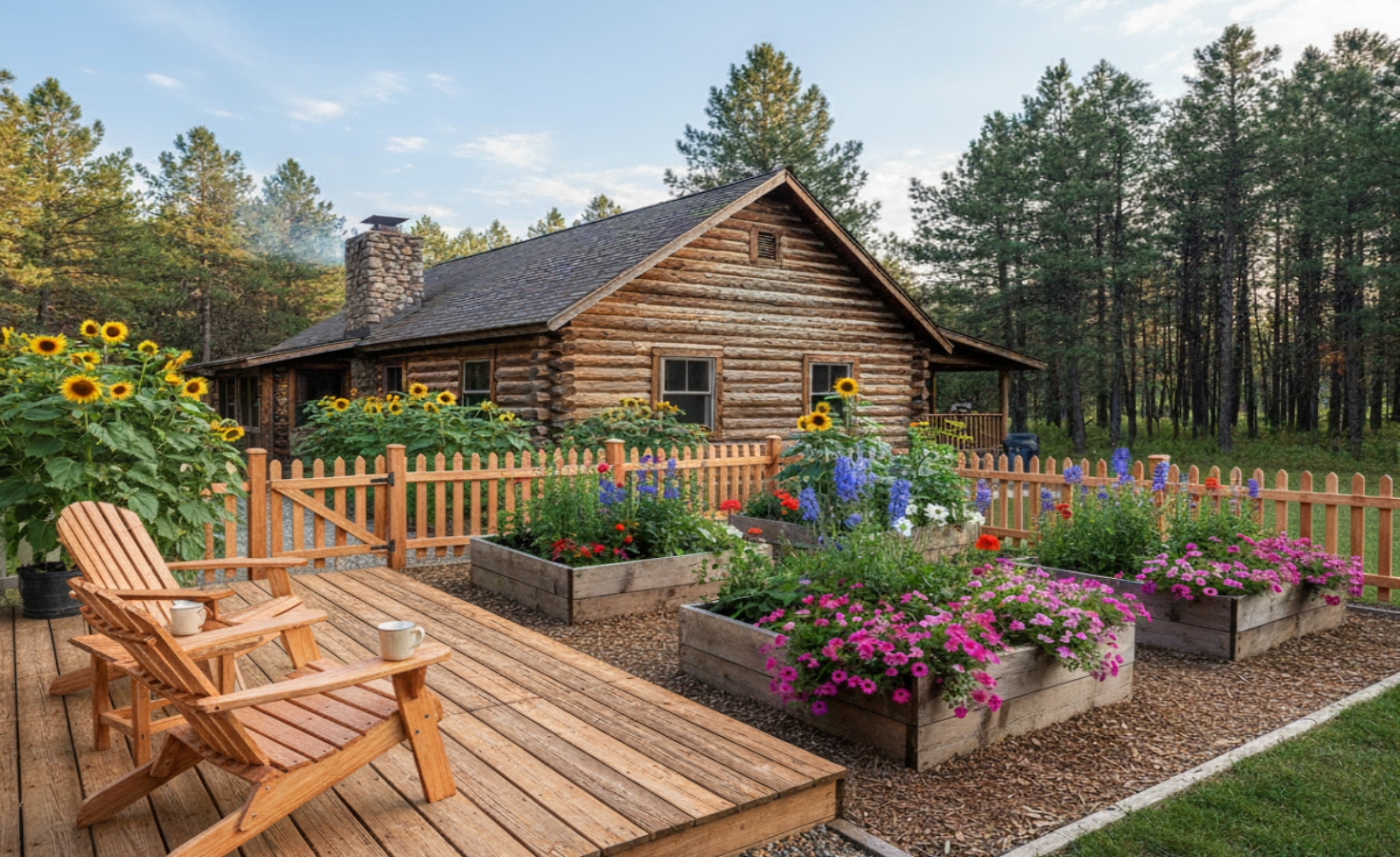
Should you use shingle oil or linseed oil for wood sealing? Choosing the right wood sealer is crucial for maintaining the beauty and durability of your wood surfaces. Shingle oil and linseed oil are popular choices, each offering unique benefits.
Shingle oil is known for its protective qualities, especially in harsh weather conditions. It was designed as a cedar shake roof sealer and treatment, but its ability to protect against weathering and water damage has made it a staple for all wood sealing projects. It’s often used for exterior wood care, providing a durable shield against the elements.
Linseed oil, on the other hand, is favored for its natural finish and ability to enhance wood’s natural beauty. It’s a common choice for indoor woodworking projects. In this article, we’ll compare shingle oil and linseed oil to help you decide which is best for your wood sealing needs.
Overview of Wood Sealing
Wood sealing is essential to prolong the life and beauty of wood. By sealing wood, you protect it from moisture, UV rays, and insects. This prevents warping, splitting, and other wood damage that could lead to costly replacements.
A good wood sealant offers benefits such as:
- Water resistance
- UV protection
- Enhanced appearance
Selecting the right sealant depends on whether the wood is indoors or outdoors and the desired finish. Other factors include the size of the project or the kind of wood being used.
Importance of Wood Preservation
Wood preservation ensures your wood structures stand the test of time. Without proper sealing, wood can degrade quickly. Preservation offers these benefits:
- Prolongs lifespan
- Maintains appearance
- Protects from decay
Sealing regularly helps maintain the wood’s structural integrity and aesthetic appeal. Wood sealing can protect your investment for years to come.
Different Types of Wood Sealants
Wood sealants come in various forms, each suited for different uses. Knowing the types helps in making informed choices:
- Oil-based sealants
- Water-based sealants
- Natural finishes
Different sealants provide unique features, catering to varied environmental conditions and personal preferences.
Some wood sealants form an exterior protective barrier. However, favored wood sealants penetrate into wood grain and absorb into the wood for premium protection. Both shingle oil and linseed oil fall into this category.
Properties of Shingle Oil
Shingle oil is renowned for its protective qualities, making it ideal for exterior wood applications. It provides a robust shield against weather elements, ensuring long-lasting wood protection. Many users prefer shingle oil for its ability to repel water, offering an effective defense against moisture damage. For indoor uses, it has low odor and can be more pleasant for indoor applications. It is safe around pets once dry and minor spills will not damage plants and wildlife.
Key attributes of shingle oil include:
- UV resistance
- Water-repellent properties
- Suitability for harsh weather conditions in various seasons, including snow
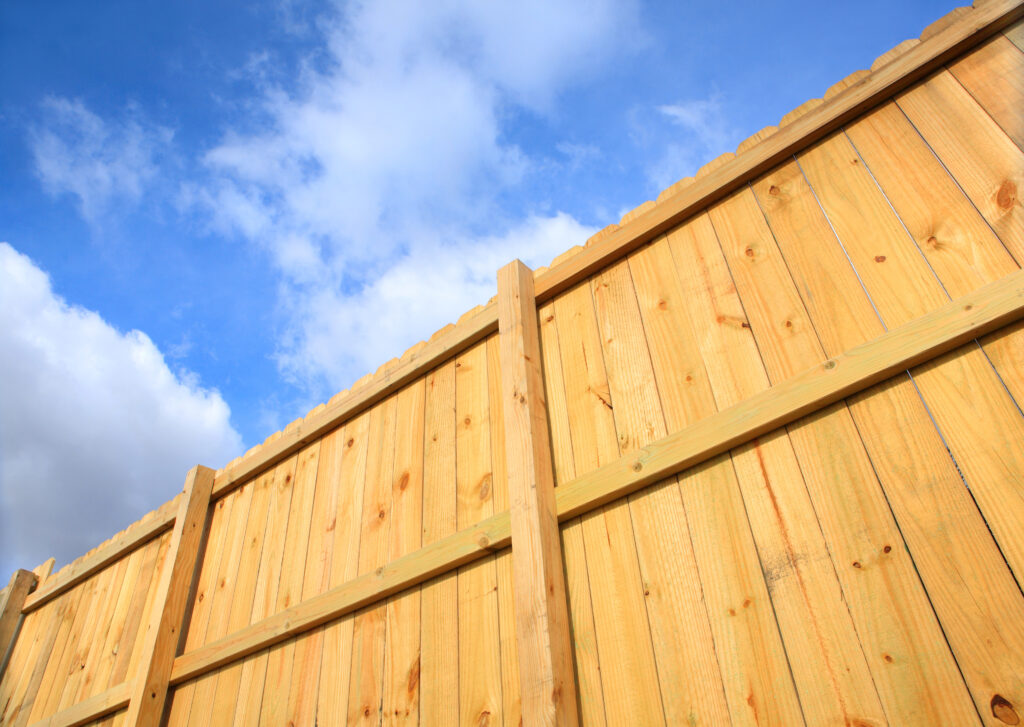
Additionally, shingle oil also enhances the wood’s natural hue. It is particularly effective on roofs and fences, supporting outdoor wood maintenance. Shingle oil’s durability makes it a popular choice for those seeking a long-term solution for wood sealing.
Properties of Linseed Oil
Linseed oil, derived from flax seeds, is celebrated for its natural ability to penetrate deeply into wood fibers. This ability enhances the wood’s grain and color, bringing out its natural beauty. Thus, it is often chosen for indoor wood applications.
Some notable features of linseed oil are:
- Deep penetration
- Natural wood finish
- Easy application
Despite its beauty-enhancing properties, linseed oil requires regular reapplication. This need for maintenance can make it less ideal for outdoor applications. However, its nourishing qualities make it a favored choice for wood preservation projects. A key issue with linseed oil is that it is high odor and wears off quicker than heavier duty oils like shingle oil.
Comparison of Shingle Oil vs Linseed Oil
Choosing between shingle oil and linseed oil depends largely on the project’s specific needs and environment. Both oils provide penetrating finishes but serve different purposes based on their properties. Shingle oil is designed for exterior wood surfaces, offering robust protection against harsh weather conditions and can also be used for indoor applications. In contrast, linseed oil is often used indoors for its natural finish and aesthetic enhancement.
When comparing these two oils, consider their key characteristics:
- Shingle Oil: Superior weather resistance, UV protection, durable finish, enhances wood beauty and the color of wood grain
- Linseed Oil: Enhances wood beauty, requires regular maintenance, cost-effective for small projects
Each oil’s effectiveness is determined by the wood’s exposure, usage, and the desired finish. Thus, selecting the right oil ensures long-term wood preservation and beauty.
Why Shingle Oil is the better wood sealer
Shingle oil provides unmatched protection for wood. Its durable finish safeguards against UV rays, moisture, and weathering, making it a top choice for applications.
Effectiveness as a Waterproof Wood Sealant
Shingle oil excels as a waterproof wood sealant. Thus, it forms a strong barrier against water intrusion, ideal for deck sealer tasks and log cabins exposed to rain or snow.
Best Outdoor and Indoor Wood Sealers
For outdoors, shingle oil is highly recommended due to its robust weather-resistant finish. Indoors, linseed oil is preferred for its wood-enhancing properties and use on smaller indoor projects.
Durability and Weather Resistance
In terms of durability, shingle oil stands out with its superior weather resistance. Additionally, it maintains wood integrity by protecting against harsh environmental elements, ensuring a long-lasting finish.
Application Techniques
Proper application methods enhance the effectiveness of both shingle and linseed oils. For shingle oil, apply evenly using a brush, roller, or sprayer. Ensure the wood surface is clean and dry before application for optimal penetration. Linseed oil, when used indoors, should be applied with a cloth or brush to achieve a smooth, even finish.
Key application steps for both oils include:
- Clean and dry the wood surface.
- Use appropriate tools for even coverage.
- Allow sufficient drying time between coats.
Best Practices for Outdoor Wood Maintenance
Outdoor wood benefits from regular sealing. For best results, reapply shingle oil every couple of years, focusing on exposed areas.
- Conduct seasonal checks.
- Repair minor damages promptly.
- Ensure consistent coverage.
Indoor Wood Sealer Applications
Shingle oil requires specific indoor techniques. Allow it to dry fully before reapplying if needed. Ensure the workspace is well-ventilated during application.
- Apply evenly.
- Allow drying between applications.
- Work in a ventilated area.
Conclusion
Choosing between shingle oil and linseed oil depends on the specific wood care needs. Shingle oil is excellent for exterior applications due to its durability. On the other hand, linseed oil is ideal for enhancing the natural beauty of indoor wood for small projects.
Both offer unique benefits, tailored to different conditions and preferences for wood maintenance.
Final Recommendation for Best Wood Sealer: Shingle Oil
For any wood projects, shingle oil stands out as the top choice due to its superior protection.
Summary of Key Differences
Key differences between shingle and linseed oils include:
- Durability: Shingle oil is more weather-resistant.
- Application: Linseed oil is suited for indoor use.
- Maintenance: Shingle oil requires less frequent reapplication.